
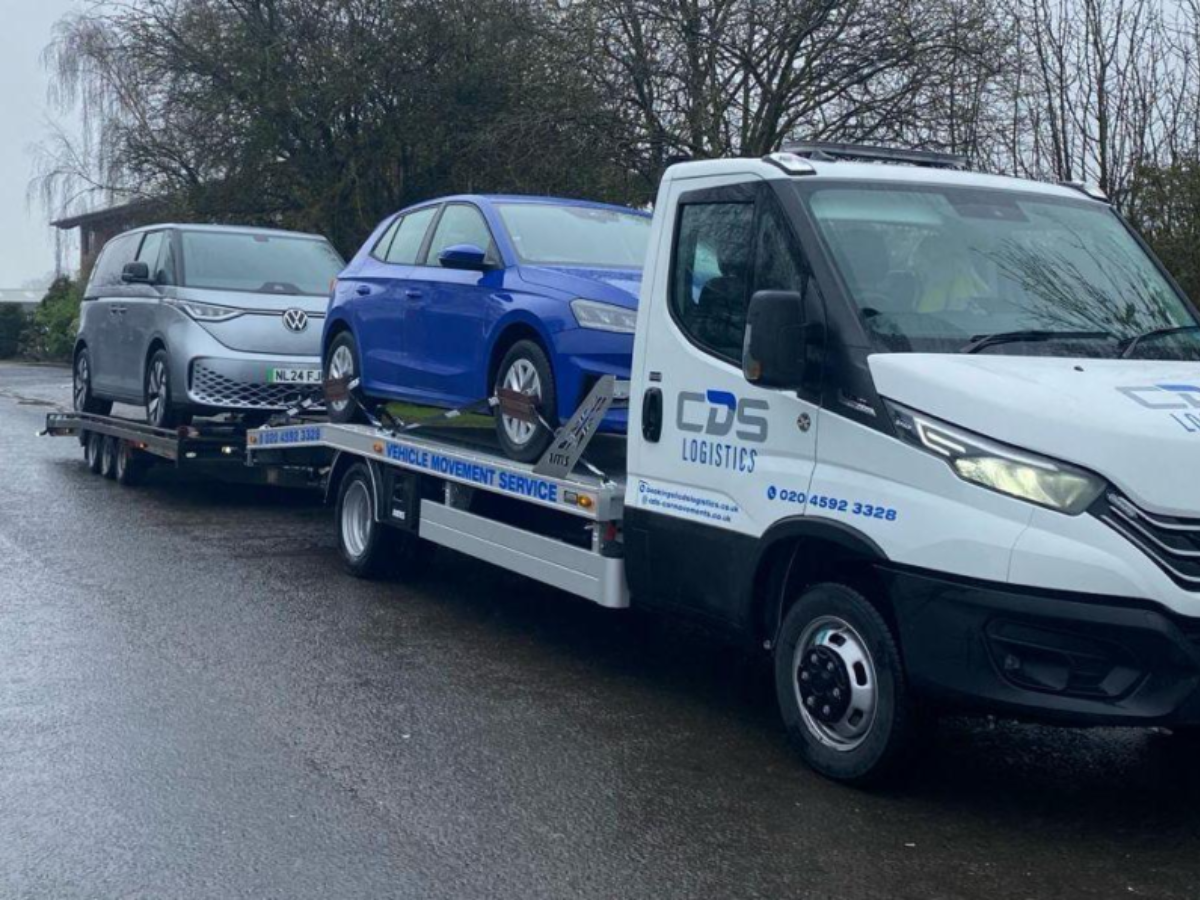
Introduction to Vehicle Transport Mistakes
When it comes to vehicle transport mistakes, the consequences can be severe, resulting in damage to the vehicle, financial losses, and a significant amount of stress. In the vehicle logistics industry, mistakes can happen due to various reasons, including inadequate preparation, incorrect documentation, and insufficient insurance coverage. To avoid such common transport mistakes, it is essential to understand the importance of proper vehicle transport and the potential consequences of mistakes. The transportation management process involves several stages, from preparation to delivery, and each stage requires careful attention to detail to avoid vehicle shipping mistakes.
The automotive shipping industry is complex, and mistakes can occur due to various factors, including human error, equipment failure, and unforeseen circumstances. However, by understanding the common mistakes and taking steps to avoid them, individuals and businesses can ensure a smooth and successful vehicle relocation process. In this article, we will discuss the common vehicle transport mistakes and provide tips on how to avoid them, including car transport mistakes that can be costly and time-consuming.
By avoiding vehicle transport errors, individuals and businesses can save time, money, and reduce stress. The key to a successful vehicle transport process is to work with a reputable and experienced transport provider, such as CDS Logistics, who can provide expert guidance and support throughout the process. With the right knowledge and expertise, individuals and businesses can navigate the complex world of vehicle logistics and ensure a smooth and successful transport process, avoiding avoiding vehicle transport errors and other common mistakes.
The Importance of Proper Vehicle Transport
Proper vehicle transport is crucial to ensure the safe and secure movement of vehicles from one location to another. The fleet management process involves several stages, including preparation, transport, and delivery, and each stage requires careful attention to detail to avoid mistakes. By working with a reputable transport provider, individuals and businesses can ensure that their vehicles are handled with care and attention, reducing the risk of damage and other common transport mistakes.
Consequences of Vehicle Transport Mistakes
The consequences of vehicle transport mistakes can be severe, resulting in damage to the vehicle, financial losses, and a significant amount of stress. In addition to the financial costs, mistakes can also result in delays and inconvenience, which can be frustrating and time-consuming to resolve. By understanding the potential consequences of mistakes, individuals and businesses can take steps to avoid them, including working with a reputable transport provider and following best practices for vehicle logistics and transportation management.
Some of the most common consequences of vehicle transport mistakes include damage to the vehicle, delays, and financial losses. In addition to these consequences, mistakes can also result in a loss of trust and confidence in the transport provider, which can be difficult to recover from. By avoiding vehicle shipping mistakes and other common mistakes, individuals and businesses can ensure a smooth and successful transport process, reducing the risk of damage, delays, and financial losses.
Pre-Transport Mistakes to Avoid
Before transporting a vehicle, it is essential to prepare it properly to avoid vehicle transport mistakes. This includes cleaning the vehicle, removing all personal items, and disabling any alarms or immobilizers. By taking these steps, individuals and businesses can reduce the risk of damage and other common transport mistakes. In addition to preparing the vehicle, it is also essential to ensure that all documentation and paperwork are in order, including insurance coverage and transport permits.
Inadequate Vehicle Preparation
Inadequate vehicle preparation is one of the most common mistakes made during the transport process. This can include failing to clean the vehicle, removing all personal items, and disabling any alarms or immobilizers. By taking these steps, individuals and businesses can reduce the risk of damage and other vehicle shipping mistakes. Some of the key steps to prepare a vehicle for transport include:
- Cleaning the vehicle to remove any dirt or debris
- Removing all personal items, including valuables and important documents
- Disabling any alarms or immobilizers to prevent accidental triggering
- Checking the vehicle’s fluids and tire pressure to ensure it is in good working condition
By following these steps, individuals and businesses can ensure that their vehicle is properly prepared for transport, reducing the risk of damage and other car transport mistakes.
Incorrect Documentation and Paperwork
Incorrect documentation and paperwork is another common mistake made during the transport process. This can include failing to obtain the necessary insurance coverage, transport permits, and other documents required for transport. By ensuring that all documentation and paperwork are in order, individuals and businesses can reduce the risk of delays and other common transport mistakes. Some of the key documents required for transport include:
- Insurance coverage documents, including proof of insurance and policy details
- Transport permits, including any necessary permits or licenses
- Vehicle registration documents, including proof of ownership and registration
- Identification documents, including driver’s license and proof of identity
By ensuring that all documentation and paperwork are in order, individuals and businesses can ensure a smooth and successful transport process, reducing the risk of delays and other vehicle transport errors.
Mistakes During Transport
During the transport process, there are several mistakes that can occur, including insufficient insurance coverage and lack of communication with the transport provider. By understanding these potential mistakes, individuals and businesses can take steps to avoid them, including working with a reputable transport provider and following best practices for vehicle logistics and transportation management.
Insufficient Insurance Coverage
Insufficient insurance coverage is one of the most common mistakes made during the transport process. This can include failing to obtain the necessary insurance coverage, including liability insurance and cargo insurance. By ensuring that all insurance coverage is in place, individuals and businesses can reduce the risk of financial losses and other vehicle shipping mistakes. Some of the key types of insurance coverage required for transport include:
- Liability insurance, including coverage for damages to other vehicles or property
- Cargo insurance, including coverage for damage or loss of the vehicle during transport
- Comprehensive insurance, including coverage for damage or loss of the vehicle due to unforeseen circumstances
By ensuring that all insurance coverage is in place, individuals and businesses can ensure a smooth and successful transport process, reducing the risk of financial losses and other car transport mistakes.
Lack of Communication with Transport Provider
Lack of communication with the transport provider is another common mistake made during the transport process. This can include failing to provide clear instructions, failing to respond to communication, and failing to monitor the transport process. By ensuring that all communication is clear and effective, individuals and businesses can reduce the risk of delays and other common transport mistakes. Some of the key ways to communicate with the transport provider include:
- Providing clear instructions, including any specific requirements or requests
- Responding to communication, including emails, phone calls, and messages
- Monitoring the transport process, including tracking the vehicle and receiving updates
By ensuring that all communication is clear and effective, individuals and businesses can ensure a smooth and successful transport process, reducing the risk of delays and other vehicle transport errors.
According to industry statistics, the most common cause of delays during the transport process is lack of communication with the transport provider. By ensuring that all communication is clear and effective, individuals and businesses can reduce the risk of delays and other mistakes.
Post-Transport Mistakes and How to Avoid Them
After the transport process is complete, there are several mistakes that can occur, including failure to inspect the vehicle and failure to document any damage. By understanding these potential mistakes, individuals and businesses can take steps to avoid them, including working with a reputable transport provider and following best practices for vehicle logistics and transportation management.
Some of the key steps to take after the transport process is complete include:
- Inspecting the vehicle for any damage or defects
- Documenting any damage or defects, including taking photos and notes
- Notifying the transport provider of any damage or defects, including providing documentation and evidence
By following these steps, individuals and businesses can ensure that any damage or defects are identified and addressed, reducing the risk of further damage or losses. The fleet management process involves several stages, including preparation, transport, and delivery, and each stage requires careful attention to detail to avoid mistakes.
Conclusion and Best Practices for Vehicle Transport
In conclusion, vehicle transport mistakes can be costly and time-consuming, but by understanding the common mistakes and taking steps to avoid them, individuals and businesses can ensure a smooth and successful transport process. By working with a reputable transport provider, such as CDS Logistics, and following best practices for vehicle logistics and transportation management, individuals and businesses can reduce the risk of damage, delays, and financial losses. The vehicle transport mistakes can be avoided by following the tips and guidelines outlined in this article, including avoiding vehicle transport errors and other common mistakes.
Some of the key best practices for vehicle transport include:
- Working with a reputable transport provider, including researching and reviewing their services and reputation
- Following best practices for vehicle preparation, including cleaning and inspecting the vehicle
- Ensuring that all documentation and paperwork are in order, including insurance coverage and transport permits
By following these best practices, individuals and businesses can ensure a smooth and successful transport process, reducing the risk of damage, delays, and financial losses. The meta/focus keyword phrase “vehicle transport mistakes” is crucial in understanding the common mistakes and taking steps to avoid them.
Frequently Asked Questions
What are the most common vehicle transport mistakes?
The most common mistakes include <strong"inadequate vehicle preparation, incorrect documentation, and insufficient insurance coverage. By understanding these potential mistakes, individuals and businesses can take steps to avoid them, including working with a reputable transport provider and following best practices for vehicle logistics and transportation management.
How can I ensure my vehicle is properly prepared for transport?
Ensure your vehicle is clean, remove all personal items, and disable any alarms or immobilizers. By taking these steps, individuals and businesses can reduce the risk of damage and other common transport mistakes. Additionally, it is essential to inspect the vehicle for any damage or defects and document any existing damage.
What should I do in case of damage during transport?
Document any damage and notify your transport provider immediately to initiate the claims process. By taking these steps, individuals and businesses can ensure that any damage or defects are identified and addressed, reducing the risk of further damage or losses. The automotive shipping industry is complex, and mistakes can occur due to various factors, including human error, equipment failure, and unforeseen circumstances.
Get Expert Vehicle Transport Services with CDS Logistics in Darlington
At CDS Logistics, we understand the importance of proper vehicle transport and the potential consequences of mistakes. Our team of experts is dedicated to providing high-quality vehicle logistics and transportation management services, including trade plate deliveries, vehicle transport, secure storage space, EV charging, vehicle valeting, PDI services, and registration plate installation. We are located in Darlington and serve clients across the UK, providing a range of services to meet their unique needs and requirements.
Our team is committed to providing exceptional customer service, including clear communication, timely updates, and transparent pricing. We understand that every vehicle is unique, and we take the time to understand our clients’ specific needs and requirements. By working with us, individuals and businesses can ensure a smooth and successful transport process, reducing the risk of damage, delays, and financial losses. The vehicle transport mistakes can be avoided by working with a reputable transport provider, such as CDS Logistics.
If you are looking for a reliable and experienced transport provider in Darlington, look no further than CDS Logistics. Contact us today to learn more about our services and how we can help you avoid vehicle transport mistakes. Our team is dedicated to providing the highest level of service and support, and we look forward to working with you to meet your unique needs and requirements. Don’t risk your vehicle’s safety and security – choose CDS Logistics for all your vehicle transport needs and avoid common transport mistakes and vehicle shipping mistakes.